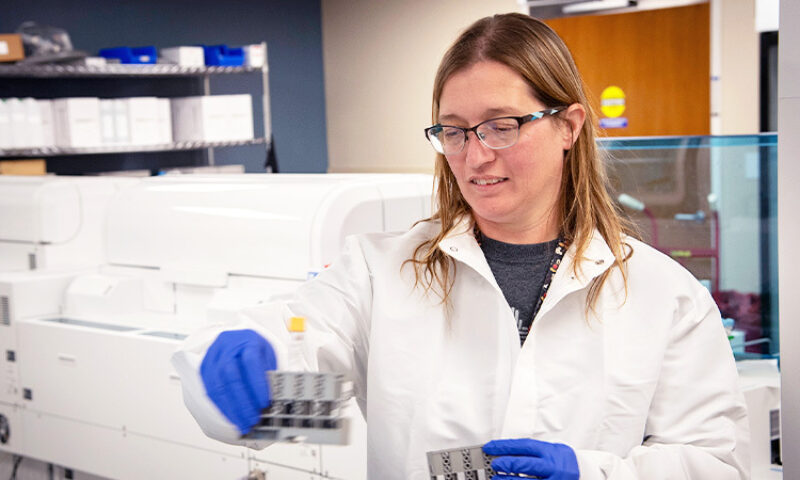
Lab tests are a great way to see what's going on underneath the surface, that is, how your body is functioning at a chemical level. If you're experiencing certain symptoms or just need a routine check-up, your provider may order tests from Schneck Laboratory to gather information that may help them determine the next steps in your healthcare.
Lab Tests Explained
Common Tests and What They Measure
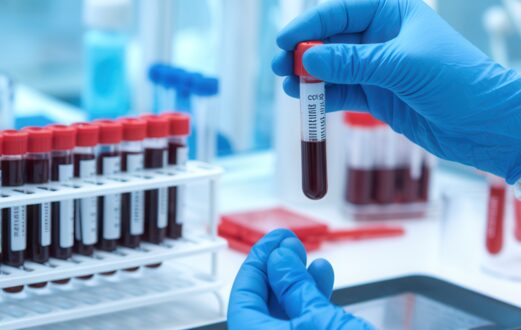
Blood and urine are the most common lab tests. The laboratory staff will take a sample of your blood or urine and share the results with your provider, who will look for things like blood sugar, protein, and mineral levels to determine whether your body is producing and functioning with the right amounts of these chemical components. The results can help your provider diagnose various conditions from allergies to cancer. Lab tests may also be administered to determine if you are pregnant based on the hormones your body is producing.
Common Blood Tests
A complete blood count test is one of the most common blood tests, and it's often part of a routine exam. It's a series of specialized tests that evaluates all the blood cells in the sample and measures size, count and hemoglobin levels (the protein in red blood cells). This test gives your provider an overview of what's happening in your body so they can determine next steps and possibly more specific tests.
Blood work may also be used to help diagnose specific diseases or conditions. For example, the C-reactive protein blood test measures your body's CRP to check for possible infection and to help diagnose diseases caused by inflammation from too much of the component.
Some blood work is part of a large panel of tests taken at once, each used to screen and/or monitor specific conditions. Blood glucose tests are often part of a basic metabolic panel, which together screens for overall health. The glucose test looks for signs of Type 2 diabetes or other conditions associated with abnormal blood sugar levels.
Urine Tests
Similar to blood tests, urine tests (urinalysis) examine your pee to diagnose conditions, monitor current conditions, and keep tabs on your physical health. Your provider may visually check your urine's appearance, dip a urinalysis strip into the sample to examine certain substances, and view it under a microscope to look for tiny particles, cells and bacteria.
How to Prepare for Your Lab Tests
There are a few steps you can take for blood work preparation at Schneck. Talk to your provider first, as some tests require more prep than others.
- What to bring: Make sure you bring your provider's lab order form so the laboratory staff know which tests to administer. You'll also need your insurance card and, if applicable, a photo ID.
- Fasting: Your provider may require you to fast ahead of your lab draw. This is so your provider can obtain the most accurate read on your lab results. If your blood work requires fasting, you will be told not to eat or drink, apart from a few sips of water, for eight to twelve hours before your test. Check with your provider if you can still take your prescribed medicatins ahead of time.